Quick answer: The strongest web design companies for a Miami business in 2026 build genuine Spanish and English pages instead of relying on a translate plugin, structure the site around how trade buyers, tourists, real estate shoppers, and bilingual local customers actually make decisions, and build in the technical foundations that search engines and AI tools such as AI Overviews rely on to find and describe the site. A page that looks great but never surfaces in a search result or an AI-generated answer is not doing its job.
Miami is not one audience. A single web design project here might speak to a logistics buyer researching a supplier from Bogotá, a retiree browsing condo listings from Toronto, a tourist booking a room from a phone in Wynwood, and a local family that moves between English and Spanish in the same conversation. A generic web design checklist built for an average city misses most of what matters here.
This guide focuses on evaluating a web design and development partner for a Miami business: genuine bilingual pages instead of a bolted-on widget, credibility with buyers who may never meet you in person, real information architecture instead of a dressed-up template, and what should still be true months after launch. Search visibility matters too, covered here as one part of a larger evaluation.
Why Miami's Business Mix Changes the Web Design Brief
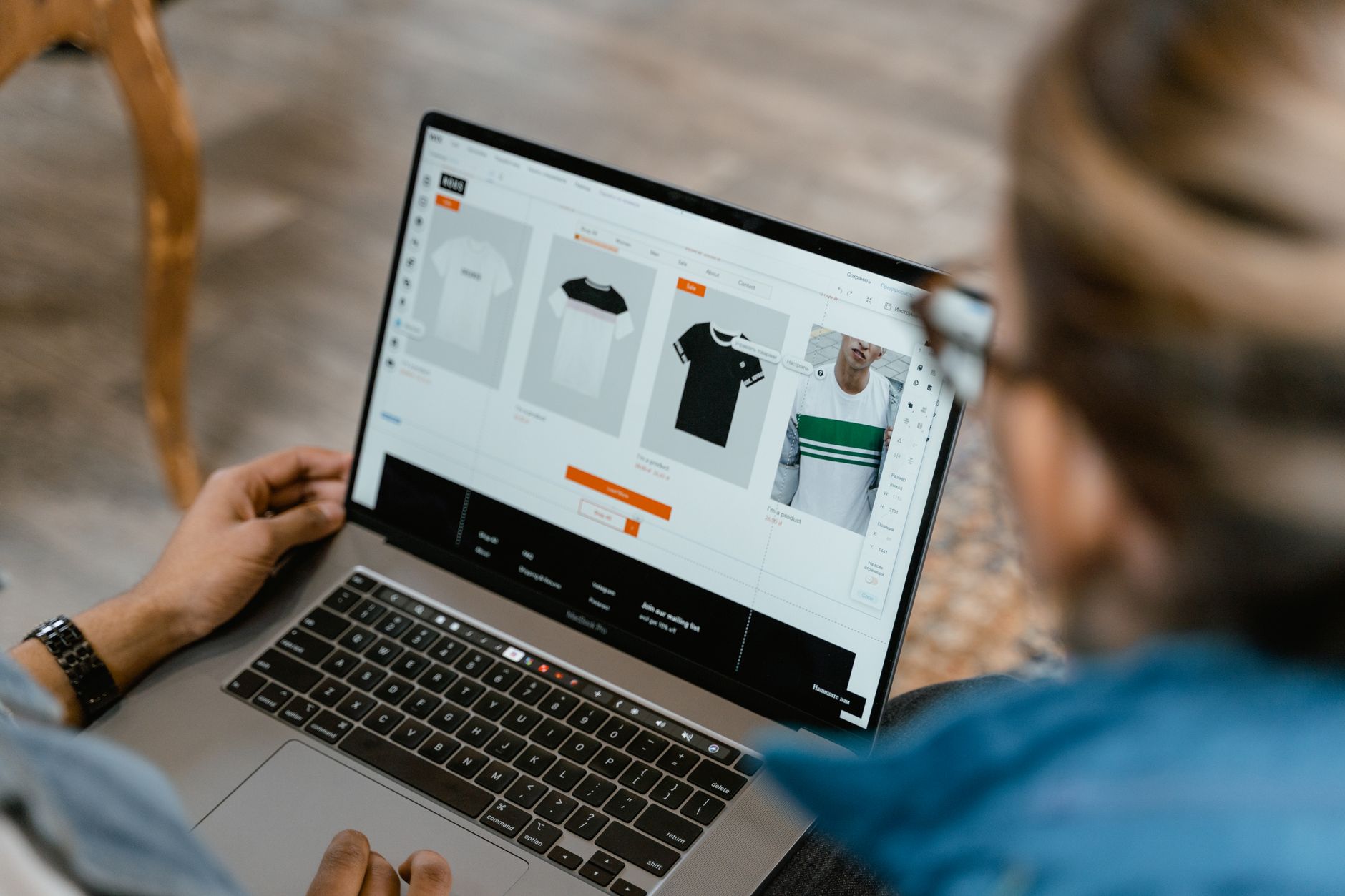
Most web design checklists are written for a generic small business in a generic city. Miami runs on a handful of distinct segments, each with its own way of choosing a vendor, and a site built for only one tends to underperform for the rest.
- Trade and logistics companies moving goods through PortMiami and Miami International Airport into Latin America and the Caribbean, where a website often substitutes for a face-to-face meeting.
- Tourism and hospitality businesses competing for both English-speaking visitors and a large Spanish-speaking traveler base, often booking directly from a phone.
- Real estate firms marketing to local buyers and to international buyers researching Miami property from another country, sometimes without a single in-person visit before an offer.
- Bilingual, local consumer businesses (medical practices, law firms, home services, and restaurants) serving households that move fluidly between English and Spanish.
A partner who has only built single-language sites tends to default to generic assumptions, and it shows fast once customers search, compare, and decide in a language different from the homepage's.
Real Bilingual Design, Not a Translate Widget

A browser-based translate widget makes a page technically readable in Spanish, but it does not make the page built for a Spanish-speaking visitor. Machine-translated navigation and awkward calls to action are easy for a bilingual visitor to spot, and they read as an afterthought rather than an invitation. Many bilingual Miami consumers search directly in Spanish and only decide which language to finish the visit in once they land on a business's own page.
- Actual Spanish-language pages with their own URLs (a /es/ path, for example), written and reviewed by a fluent speaker rather than machine-translated on page load.
- Navigation, forms, buttons, and confirmation messages translated in full, not only the visible body copy.
- Page titles, meta descriptions, and structured data written separately for each language, so Spanish-language pages can actually surface in Spanish-language search results.
- A language switcher that remembers the visitor's choice across pages instead of resetting to English on every click.
- Culturally accurate phrasing rather than a literal, word-for-word translation of the English copy.
The businesses that get this right treat Spanish as a first-class version of the site, not a courtesy add-on, and it often shows up in form submissions from exactly the households a translate widget was supposed to reach.
Building Credibility With Buyers Who May Never Meet You in Person
Much of Miami's economy runs on trade and logistics connections to Latin America, the Caribbean, and beyond, and a lot of that business gets evaluated online before a phone call happens. A buyer researching a freight forwarder or distributor from another country cannot walk in to confirm the company is legitimate, so the website has to do that work instead.
- Clear, specific information about services, capacity, and coverage area instead of vague marketing language that could describe any company in the industry.
- Real photography of the facility, team, or operation instead of generic stock imagery a buyer has likely already seen elsewhere.
- Detailed case studies or project examples that name the scope, timeline, and outcome, rather than a short pull quote with no real context.
- Straightforward company information (address, licensing, years in business, and service area) presented clearly instead of buried in a footer.
- Multiple, easy ways to make first contact (phone, WhatsApp, email, and a working form), since international buyers often prefer different channels than a local customer.
This does not replace an eventual phone call or site visit, but it determines whether a buyer picks up the phone in the first place.
Information Architecture and Conversion Structure Over Visual Polish
Plenty of web design work amounts to picking a theme, swapping in a logo and colors, and dropping in stock photography. It can look good in a portfolio screenshot, but it usually skips any real thinking about how a trade buyer, a tourist, a condo shopper, and a local bilingual customer each need to move through the same site to find what they came for.
- A discovery phase that asks about your actual customer segments and sales process, not just brand colors and preferred fonts.
- Navigation built around what different visitors are trying to accomplish (request a quote, book a service, or browse listings) instead of a generic Home, About, Services, Blog, and Contact template.
- Distinct conversion paths for distinct audiences, so a trade buyer requesting a quote does not land on the same generic form as a walk-in retail customer.
- Content organized in a hierarchy that makes sense to search engines and AI tools as well as human visitors, instead of one long homepage covering everything at once.
- A clear purpose for every page beyond filling out the site map.
A template can be a fine starting point, but the problem is a partner who stops there and treats the visual layer as the entire job.
What to Ask Before You Hire a Web Design Company in Miami
Portfolio screenshots and client logos are easy for any agency to put on a sales page, and hard for you to verify in a first conversation. A short list of direct questions tends to surface more than a portfolio review does.
- Who owns the finished website, the code, the domain, and the content management system once the project ends?
- What does their process look like for a business that needs real Spanish-language pages rather than an add-on translate tool?
- Can they walk through a past project and explain why pages were structured that way, not only how they look?
- Is there a plan for site speed, mobile performance, and search visibility after launch, or does the relationship end at handoff?
- How do they handle ongoing changes (new services, new locations, and seasonal promotions) once the initial build is finished?
If you would rather see what a bundled design-and-SEO relationship looks like first, RankJoe's plan tiers (from Starter through Scale) lay out what's included at each level.
Why a Beautiful Site Still Needs Technical Foundations
A visually striking website that loads slowly on a phone, carries no structured data, and loses its URLs in every redesign struggles to show up in search, no matter how good it looks on a fast office connection. Design and search visibility are not separate conversations.
- Fast, stable performance on mobile connections, since a large share of local searches in Miami happen on a phone rather than a desktop.
- Clean, logical URLs and a sitemap that stay stable through redesigns instead of resetting every few years.
- Structured data that describes the business, its services, and its location clearly enough for search engines and AI tools to use it.
- A content plan for after launch, since a site that never adds or updates pages tends to lose ground to one that does.
- Alignment with the business's Google Business Profile and other local listings, especially across multiple Miami neighborhoods.
Running a free website audit is a fast way to see which foundations are already in place before you compare design proposals. Businesses that want design, development, and these foundations handled by one team (not stitched together after the fact) can see what that looks like with RankJoe's web development service.
How AI Overviews and AI Assistants Change What Findable Means Here
When someone researches a web design company in Miami in 2026, part of that research now happens inside an AI assistant or a Google AI Overview before a website gets clicked. Someone might ask an AI tool to compare local design agencies or explain the difference between a template build and a custom one, and the assistant answers using whatever pages it can actually read and understand. A single heavy homepage with little real text gives an AI assistant almost nothing to work with. A site with structured service pages, a Spanish-language section, and schema describing what the business does and where it operates gives that assistant something concrete to summarize, and sometimes to cite.
This matters in a specific way for Miami. A bilingual visitor asking an AI assistant a question in Spanish can only be pointed to a Spanish-language page if that page exists as real, indexable content, not a script that swaps text after the page loads. A trade buyer using an AI tool to shortlist vendors before making contact leans on the same structured, well-described pages a human researcher would use to judge credibility. The choices covered earlier here (bilingual pages, clear information architecture, and solid technical foundations) make a site legible to AI systems too. A design partner who treats this as part of the build (not a separate later add-on) is positioning the site for both kinds of search at once. Our guide to answer engine optimization goes deeper on how that works.